
In this assignment you will design a monster. Not just any one, but a rubbing monster. To be able to make rubbings, you look for different materials and surfaces. You use this as an effect in your drawing.
Texture
Texture refers to the tactile surface. For example, the texture of an object can be smooth, rough, hairy, or grainy. In short, texture is a tangible structure.
Rubbing
Everyone has done it once: You put a coin on the table, with a sheet of paper over it. By gently scratching the coin with a pencil, the imprint of the coin appears on the paper. The texture of the coin then becomes visible. This technique is called rubbing. Below you can see a number of examples. Another word for rubbing is frottage.

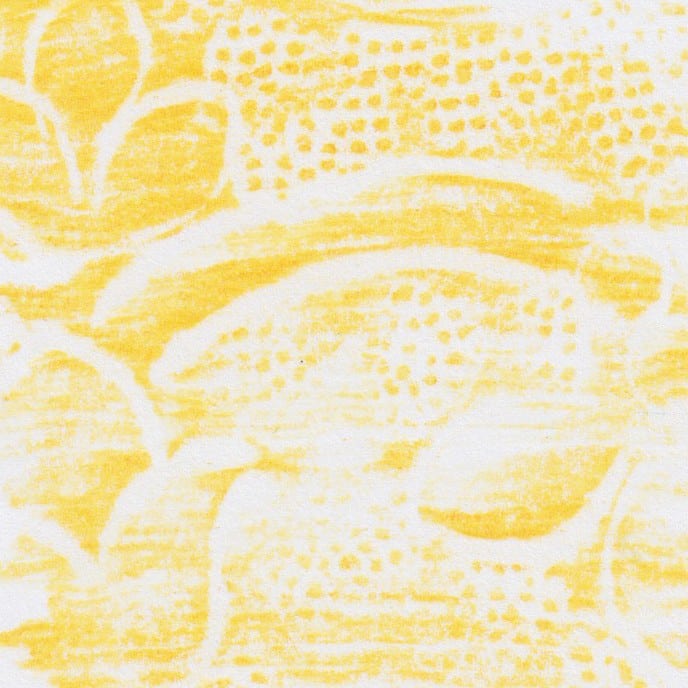


Gallery 1: Examples of rubbings
Finding textures
Go and hunt for textures in the classroom. Make a number of original rubbings in the boxes on the worksheet. Experiment with drawing pencil, colored pencil and wax. What gives the best effect?
Rubbing monster
Your teacher will give you a thin A4 paper. Draw an original sample on the paper by drawing very thinly with a drawing pencil. Then colour in your monster with the most special rubbings that you found in task 1. Click the buttons below for inspiration.
When your sample is ready, cut it out and stick it on a coloured paper.
Assessment criteria:
- You have used a variety of rubbings
- Your design is original and recognizable
- Your rubbings are clearly visible
- The colors used go well together
- The whole looks neat


Gallery 2: Examples of rubbing monsters